Managing blood sugar levels is crucial for individuals with diabetes or those at risk of developing it. Both high (hyperglycemia) and low (hypoglycemia) blood sugar levels can have serious health consequences. Here’s a comprehensive guide on how to manage both conditions effectively.
Understanding Blood Sugar Levels
The first step in managing your blood sugar is understanding the two different levels. This way, you know what the symptoms are and how to manage them appropriately and effectively.
High Blood Sugar (Hyperglycemia):
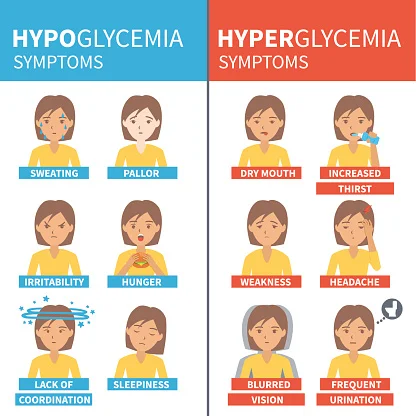
High blood sugar, or hyperglycemia, occurs when blood sugar levels are too high. The common symptoms include:
- Frequent urination
- Increased thirst
- Fatigue,
- Blurred vision
- Headaches
Low Blood Sugar (Hypoglycemia):
Low blood sugar, or hypoglycemia, occurs when blood sugar levels are too low. The common symptoms are:
- Shakiness
- Sweating
- Confusion
- Irritability
- Rapid heartbeat
- Dizziness

Tips for Managing High Blood Sugar
- Monitor Your Blood Sugar Regularly:
- Use a glucometer to check your blood sugar levels frequently.
- Keep a log of your readings to identify patterns and triggers.
- Follow a Healthy Diet:
- Focus on whole foods, such as vegetables, fruits, whole grains, lean proteins, and healthy fats.
- Limit refined sugars, sugary beverages, and high-carb foods.
- Stay Active:
- Engage in regular physical activity like walking, cycling, or swimming.
- Exercise helps lower blood sugar by increasing insulin sensitivity.
- The more intense a workout is, the longer the effect lasts. The good news is that even light activities like housework or gardening can improve blood sugar levels.
- Stay Hydrated:
- Drink plenty of water throughout the day.
- Dehydration can raise blood sugar levels so try to get an adequate amount.
- Keeping a water bottle near you is a great way to get enough water throughout the day.
- Take Medications as Prescribed:
- Follow your healthcare provider’s instructions for insulin or oral diabetes medications.
- Do not skip doses or alter your medication regimen without consulting your doctor.
- Manage Stress:
- Practice stress-reducing activities like yoga, meditation, or deep-breathing exercises.
- Chronic stress can impact blood sugar levels. Regular meditation helps combat stress and will make you feel centered and more present.
Tips for Managing Low Blood Sugar
- Recognize the Symptoms:
- Be aware of the early signs of hypoglycemia to act quickly.
- Inform family and friends about these symptoms so they can assist if needed.
- Carry Fast-Acting Carbohydrates:
- Always have quick sources of sugar, such as glucose tablets, fruit juice, or candy.
- Aim for about 15 grams of fast-acting carbs to raise your blood sugar quickly.
- Eat Small, Frequent Meals:
- Consuming balanced meals and snacks regularly helps maintain steady blood sugar levels.
- Include a mix of carbohydrates, proteins, and fats in your diet.
- Limit Alcohol Intake:
- Alcohol can lower blood sugar levels, especially when consumed on an empty stomach and with some medicines for diabetes.
- Drink in moderation and always with food.
- Moderation is one drink a day for women and up to two per day for men. However, that “drink” is a lot smaller than some people think: just five ounces of wine, a 12-ounce beer, or one and a half ounces of 80-proof spirits.
- Adjust Medication as Needed:
- Consult your healthcare provider if you frequently experience low blood sugar.
- Adjustments to insulin or other diabetes medications may be necessary.
- Plan Ahead for Exercise:
- Check your blood sugar before, during, and after physical activity.
- Have a snack before exercising if your blood sugar is low.
- Scheduling a time to exercise can help with consistency. Being prepared is the most important thing.
High and low blood sugar education is important so you know what to look for and how to manage both conditions properly. This way, you will always be prepared and react appropriately. Be sure to document when you take your blood sugar, including the time and whether it is high or low. Recognizing any patterns while doing so can be beneficial to your health.
Tools for Blood Sugar Management
Below are tools to help monitor and manage blood sugar when living with prediabetes or type 2 diabetes. Look at your different options before you decide. You can choose the one(s) you feel most comfortable with and that will be convenient for you. Being aware of your glucose levels is important in properly managing it.

Glucometers:
- Portable devices that measure blood sugar levels.
- Choose one that is easy to use and has features that suit your needs, such as memory storage and Bluetooth connectivity.
Continuous Glucose Monitors (CGMs):
- Devices that provide real-time blood sugar readings throughout the day.
- CGMs can alert you to high and low blood sugar levels, helping you take action promptly.
Mobile Apps:
- Numerous apps are available to track your blood sugar levels, diet, exercise, and medications.
- Popular options include:
- MySugr ( https://www.mysugr.com/en-us/ ) This app serves as a comprehensive diabetes ‘log book,’ enabling users to record key details like blood sugar levels, meals, activities, and insulin doses. It analyzes this data to identify patterns, helping users better understand their diabetes and make informed decisions. With a built-in bolus calculator, the app assists in determining the correct insulin dosage for both corrections and meals. Additionally, all recorded data can be downloaded, making it easy to print and share with healthcare providers.”
- Glucose Buddy (https://www.glucosebuddy.com/) Glucose Buddy seamlessly connects to SMART meters (automatic glucose meters) and syncs with smartphones, delivering real-time blood sugar readings. Users can also log their food intake, medications, blood pressure, and test results, empowering them to make informed decisions about their diabetes management. Additionally, the app provides access to certified health professionals who offer personalized coaching to help users develop lasting healthy habits.
- MyFitnessPal (https://www.myfitnesspal.com/ ) This app enables users to track their meals and exercise routines, featuring a searchable food database for easy logging. Users can scan barcodes on packaged foods or manually enter their meals to access detailed nutritional information, including carbs, proteins, and fats. Although not specifically designed for diabetes, the app is valuable for recording lifestyle habits that impact diabetes, such as fluid intake, calorie consumption, and physical activity. It’s also a great tool for those with prediabetes.
- (See this site for more information: https://www.forbes.com/health/conditions/diabetes/best-diabetes-apps/)
Insulin Pumps:
- Devices that deliver continuous insulin through a small catheter under the skin.
- Insulin pumps can be programmed to release insulin at different rates throughout the day.
Smart Pens:
- Insulin pens that track dosage and timing.
- Some smart pens can connect to apps for better diabetes management.
Conclusion
Managing blood sugar levels requires a combination of regular monitoring, a healthy lifestyle, and appropriate use of medications and tools. By staying informed and proactive, individuals can effectively manage their blood sugar levels and reduce the risk of complications associated with diabetes. Always consult with healthcare professionals for personalized advice and treatment plans. For additional information on diabetes and how to manage your blood sugar, visit
Diabetes Research, Education, Advocacy | ADAhttps://www.cdc.gov/diabetes/managing/manage-blood-sugar.html.
References:
Centers for Disease Control and Prevention (CDC):
Mayo Clinic:
- Diabetes Management: How Lifestyle, Daily Routine Affect Blood Sugar
- Hypoglycemia – Symptoms and Causes
- Hyperglycemia – Symptoms and Causes